
Norma Nicholson, MA(Ed), BA, RN (Retired), Youth Advocate
Public Education is the most important investment
Public Education is the most important investment that countries make for their future. It should be a tangible expression for society. Schools profoundly influence how students understand themselves and the roles and responsibilities they are expected to fulfill. What if you are Black and marginalized, and you do not always feel that you belong and are allowed to thrive? The best and most authentic version of who we are and how we relate to the world is a significant role that schools play. Children learn to foster their identity and build a sense of belonging, yet some schools do not facilitate these goals. (We are what we teach, Aspen Institute, 2023)
The Ontario Education Act is the provincial government legislation establishing the legal framework for education in the province. The act tells us about the role of the Education Minister, school boards, the responsibilities of principals and teachers, the rights and responsibilities of families and their children and all the other main features of our education system. Any child living in the province of Ontario has the right to attend school from age six to 18. They have this right even if their parents are not Canadian citizens or do not have legal status in Canada. A few exceptions exist, such as individuals visiting with their children or homeschooling by parents or students who are identified as international and must pay a fee. If parents fall into the category where their children should be in school and are not sent, they could be charged with their child’s truancy.
The experience our black students face in Ontario
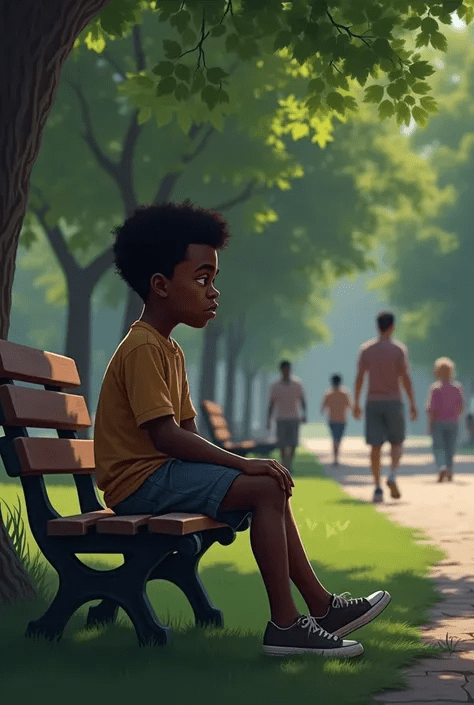
Schools are sites of contention for Black youth and their families, where they experience painful everyday racism from educators, administrators, and their peers. Issues of race inequity within Ontario’s education system and, more specifically, the presence of anti-Black racism. These issues have been researched and documented for over forty years.
1. The erasure of Black history and Black excellence in the curriculum. (In some instances, it was never included).
2. Race-based streaming practices limit the youth from pursuing post-secondary education and meaningful careers. (In 2023 September, the Ontario Ministry of Education Report) eliminated streaming in secondary schools but have not placed substantial support for students to be supported through other educational endeavours.
3. The under-representation of Black Ontarians among educators and school trustees denies Black youth an important source of informal guidance and role modelling.
4. A lack of trust between Black students and school staff.
5. High rates of disciplinary actions against Black youth, such as suspension and expulsions.
6. Low expectations of Black students’ academic performance undermine Black youth’s notions of what is possible in their education and their careers. (www.youthrex.com)
Respect for those who care and stand up for our black students
Despite all these barriers, thanks to a few awesome teachers/ educators and other professionals who mentor and support Black and minority children to reach their full potential, we need more of you! We must remember that teachers are themselves parents; they find their jobs stressful, and we must help lay the foundations for effective learning. Where I am today, I stand in honour on the shoulders of one of my teachers, Mrs. Livingston, who validated, affirmed, and walked beside me every step to allow me to reach my potential.
Mind you, there are teachers, for whatever reason, even though they are Black, who do not take the time to provide support and positive role modelling for Black children. Next is an example of just that. I spoke at an organization’s annual general meeting on the topic of ways in which society can help our Black children become very valued members of our communities. I expressed how children can be disadvantaged when they are living in the custody of the Children’s Aid Society instead of parents being taught and supported to care effectively for their children.
A Black high school principal in the audience came outside the room and said, I would like to talk with you. I listened, and she informed me that some of these Black children are cared for better within the public system than in their homes. Would you like your child to attend the school where this principal plays such an important role in developing her staff and students? I was so astonished that a Black principal would verbalize such negative words! Once I managed to respond, I said, you have assimilated and, therefore, have become a part of the problem.
She briskly walked away. I view such an educator as someone who lacks cultural competencies related to the multifaceted experiences among Black students. I imagine that in her school, Black children are not effectively supported nor enjoy the relationships of teachers, students, and family to achieve learning success. How very sad for the Black students who often search for role models within their cultures. A few Black educators think that they are better off when they realign with white colleagues, measuring their standards against white standards and competing against each other. The oppressed become the oppressor; they need to check themselves.
We must speak up for the rights of these children. Many are lost at school due to racism, expulsion, and suspension, which play a role in banishing them from school. It is very important that,
as a society, we recognize that racism is not solely about the intention but also about the reactions and the consequences it produces for students. Many are even lost within the classroom setting as they cannot learn because they do not feel validated and welcomed for who they are. Others are lost because they have precarious immigration status, through no fault of their own and are not involved in building future careers due to their status.
Over the years, the schools have become an increasingly carceral experience for Blacks and minority children. Black children from pre-kindergarten through grade 12 are over-represented in every form of discipline, from teacher-issued referrals, suspensions, expulsions, children’s aid involvement and police arrests.
Black students often have their first experiences with the criminal justice system while in school
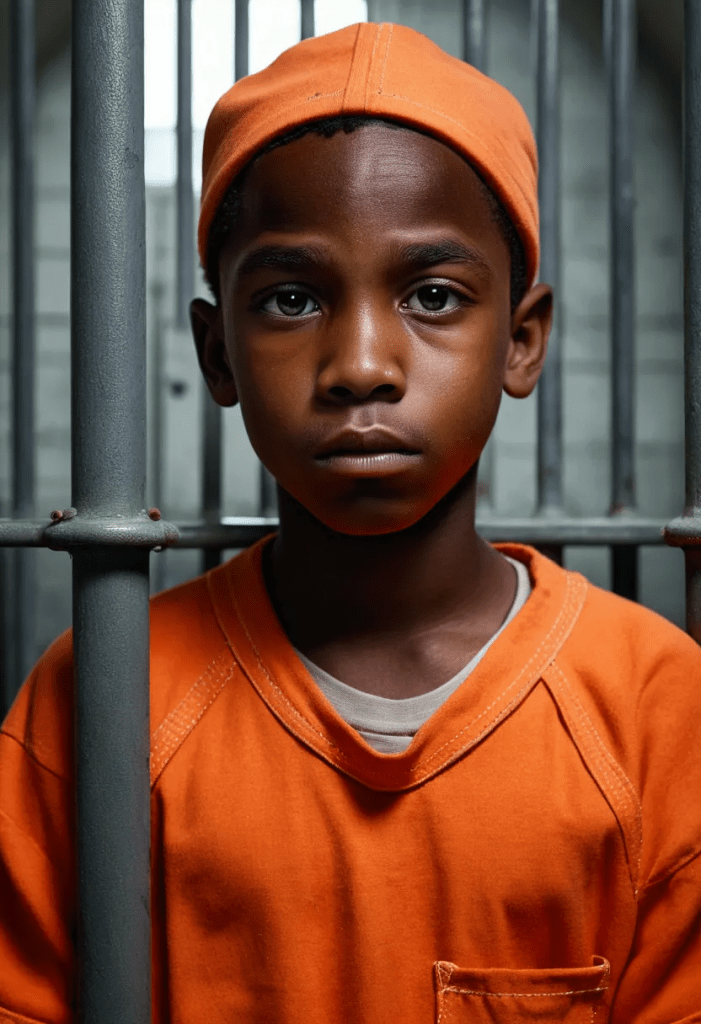
Black students often have their first experiences with the criminal justice system while in school. They feel discriminated against by their teachers and discouraged from taking challenging courses. They are often viewed with suspicion, monitored more heavily, and punished more severely than other students. They demonstrate higher rates of leaving school before graduating, lower post-secondary enrollment rates and are overrepresented in precarious work when they begin employment. Students who feel overly monitored by their superiors develop tougher demeanours, which leads them into more conflict later in life, strengthening the school-to-prison pipeline. (Department of Justice, Laidlaw Foundation Report, 2023)
A Toronto District School Board report stated that during the high school years of Black students, through excessive policing, 42% of these students have been suspended at least once compared to 18% of non-racialized students. Black students drop out of high school at twice the rate of non-racialized students, 20% versus 11%. Approximately 43% of Black students did not apply to university. Unsurprisingly, facing excessive policing and racial discrimination throughout their school years can also negatively impact Black students as they enter post-secondary education and the workforce. While they aspire to obtain a university degree, due, in part to the lack of support they received in school, they are also less likely than their non-racialized peers to believe they can get one. In a 2016 survey, 94% of Black youth aged 15 – 25 said they would like to get a bachelor’s degree or higher, but only 60% thought they could. (Toronto Metropolitan University, 2021)
The presence of these children remains unwelcome and undesirable in many public schools, and police officers closely monitor their movements. (SROs). Both the Toronto District School Board and Peel District School Board discontinued the services of these officers in the school in 2019 after
community groups, school board trustees, and students shared their negative experiences. While a few participants had positive things to say about the program, many felt that students of minority backgrounds were under surveillance and intimidation and felt very uncomfortable with police officers who were roaming their hallways.
Some did not feel safe because they felt that at any minute, if there was disagreement with a fellow student or even with a teacher, instead of being sent to have a follow-up with the principal or the guidance counsellor, the police would become involved, thereby giving them a ‘police record’ which could easily be used against them in the future.
Robyn Maynard noted in her book “Policing Black Lives” that there is a (mis)-education of Black children. Montreal-based Black youth frequently report being treated by teachers as if they are in a gang solely because of their skin colour. School and security staff often dissuade them from gathering in groups to talk and subject them to heightened surveillance and frequent identity checks.
In a place where children get socialized and educated, experiencing this typecasting and demonization is deeply harmful to Black youth in their formative years. The feelings of exclusion and pain cause emotional harm and limit their ability to thrive in the school environment. Black youth are exposed to a hostile environment in which they undergo psychological damage, emotional pain, and personal humiliation due to racially discriminatory treatment.
This persistent racial discrimination in schools not only interrupts young Black children’s learning ability but also impacts their sense of self, making many of them feel they are not smart enough to belong in formal learning institutions. We know what happens to those who are unable to bear the burden of racism and walk away from school. In the long run, they become despondent, depressed, and become involved with the wrong groups, therefore ending up in the criminal youth justice system.
A call for success and positivity among our black schools

The pipeline from school to jail must be closed and become a pipeline from school to success in the community. We must stop funnelling our children from classrooms into the criminal justice system. It should be true that all young Canadians of different racial, gender, ethnic and socio-economic backgrounds benefit from the Canadian education system equally. Black and other minority youth face systemic and institutional barriers in formal learning that have a long-term impact on their academic, personal, psychological, and social growth.
For decades, Black advocates and families have fought for a more inclusive and equitable education system for Black children. The system of education was founded on colonial principles that did not include Black people but was built to educate Black families towards an understanding of their inferiority. We see where Black children are profiled as troublemakers, and families have much difficulty accessing specialized programs for their children, low expectations and negative perceptions from teachers and higher levels of suspension and expulsion than any other group.
Have you heard about the Black children who are suspended while in school? Their education levels are not recognized, and they are not seen as smart, so they are placed in classes with nothing to learn. They sit in class, and their next move, if there is no advocate, is to drop out of school. Some teachers have very low expectations of Black students. Their interaction with students creates self-doubt, where students begin to think that they do not have the academic astuteness to attend college or university.
A 2021 Canadian study on low-income Black men and boys revealed that many of these students drop out of school at a higher rate than white kids, and many barely complete high school. Findings show that this was due to the stereotypical understanding of these young men’s masculinity coupled with their race. Those who completed high school have faced many disruptions to their learning due to anti-Black racism and gender biases, and they leave high school with low comprehension levels.
In Ontario, the system that was used to stream mostly Black and minority students has now been stopped by the present government (2022). They were being streamed in Grade 9, away from academically focused classes because they were not seen as academically inclined. Some are seen as athletes, constructed as misfits, or misbehaving and needing control. Their experiences of being watched and disciplined differ from those of their white counterpart. Black youth, particularly because of identity that is so important to them, are very aware of the way that they are constructed and the way other races are constructed. They feel like they are the outcasts of the school system. They are made to feel they don’t belong.
De-streaming is an educational approach that supports achieving equitable outcomes for every learner. Students will not select from Academic or Applied streams when choosing their courses in Grade 9. Most students entering Grade 9 are to take courses designed for all learners. De-streamed, academic, and open courses will prepare students for university and college. Apprenticeship and
workplace pathways, providing more post-secondary options for students. De-streaming is one step toward addressing systemic discrimination and helping break down the barriers for Indigenous, Black, and racialized students, those from low-income housing, those having disabilities and students with special education needs to maintain equitable opportunities for their future.
Within the education system, according to Robyn Maynard’s report in her book ‘Policing Black Lives’, recent immigrants and refugees are at a higher risk of dropping out, failing, being suspended, expelled, or streamed into non-academic courses. Black immigrant parents have an important role in mitigating the effects of anti-Black racism on the development and success of their children. This includes advocating for their children and maintaining good communication with the teachers and school administrators. Parents are encouraged to engage with teachers to ensure their children are progressing well and are supported to succeed.
Black families also struggle to protect their children from the impact of anti-Black racism they experience in the school system. Ontario’s public education system is supposed to educate all children equally and prepare them to be confident and competent adults; schools are also the sites in which anti-Black racism is reproduced and perpetuated against Black children. (Robyn Maynard, Policing Black Lives, 2017
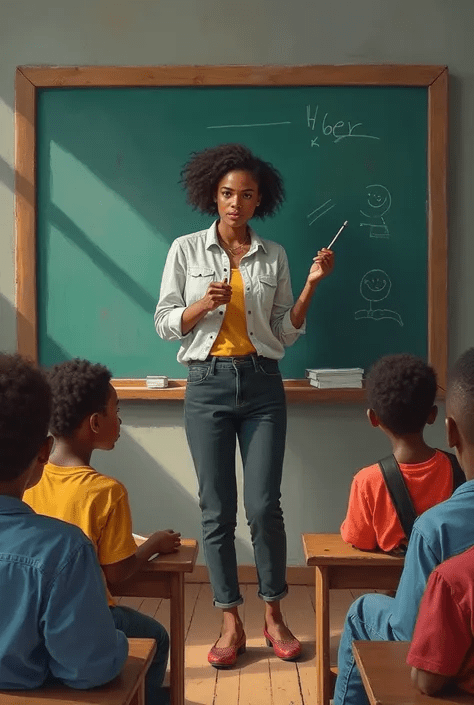
Teachers/educators and staff in the schools, please find solutions to engage our Black students. Please do not deepen the difficulties they face by improving the social and educational climate within the schools; replace the counterproductive overuse of expulsion and suspension; provide students with the support they need to maintain good attendance and allow them to thrive academically and remain on track to graduate. Foster success, promote equity and conform to best practice. Do recognize the realities of adolescent behaviours and brain development as well as trauma.
Become aware that parenting is quite challenging and that Black folks value the input from the schools. Whether Black parents immigrated to Canada or were born here, these parents want their children to do well in school. It is an overwhelming burden on parents as they try to negotiate and work their way through the education system in Ontario.
We can no longer band-aid our country’s preschool-to-prison pipeline, which pushes children out of the education system and criminalizes them for relatively minor offences.
Do all parents know how to navigate the processes in the school institutions… no! The system
is not neutral. Black and minority students are suspended or expelled for things that white students would have done and have the opportunity for warnings. This is caused by racial disparities in disciplining, which causes substantial disruptions, including widening the gap in academic achievement. These disciplinary disparities are better explained by the behaviours of teachers, assistant principals, and principals than student misbehaviours or socio-economic status. Less severe infractions make up most disciplinary referrals to the school office, but teachers refer Black and white students differently for the same misbehaviour. Research has found that white students are referred for objective misbehaviours such as smoking, vandalism, leaving without permission and obscene language. Black students are referred for subjective misbehaviours, defiance of authority, disrespect, excessive noise, and loitering. Richard O. Welsh, 2021.
Some intervention strategies involve comprehensive exercise that centers youth and their concerns, interests, and leadership. Reject the notion of disenfranchised youth by defining them as having deficit-based conditions. Best practices are based on a holistic approach to interventions rooted in the communities the youth belong to and provide wrap-around services to meet the multiple cultural needs of our youth. Holistic approaches foster collaboration across youth support networks and make a difference in their lives.
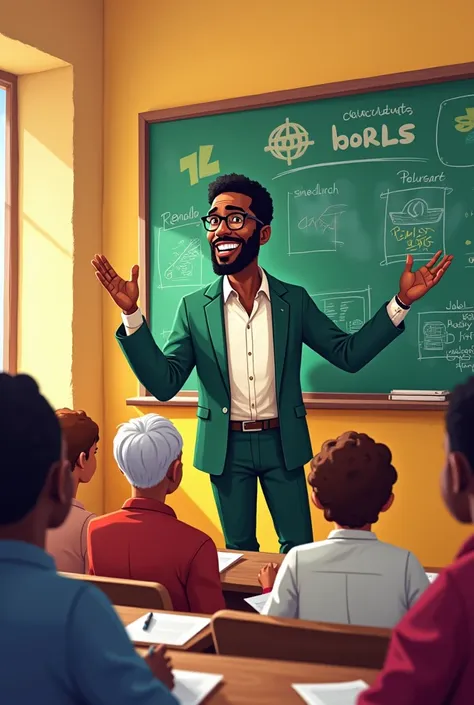
Developing effective policies must articulate vision and commitment to long-term outcomes that are rooted in best practices and thereby be measurable. It must also include a concept of well-being, such as physical, emotional, and spiritual health. All these approaches must include families, children, and youth for better outcomes and support their success in all communities.
A recent report documented in November 2023 by the Laidlaw Foundation, in collaboration with researchers and a youth advisory committee, suggests many measures for effective educational outcomes for Black students and calls on all levels of government to effect changes.
(a) Provide equitable distribution of education funding and direct additional resources to schools and districts that serve marginalized communities to address disparities and improve educational outcomes.
(b) Implement a culturally responsive and inclusive curriculum accurately reflecting Blacks’ history, culture, and contribution to Canada.
(c) Provide ongoing ant-racist training for educators to address classroom bias and discrimination and foster an inclusive and supportive learning environment.
(d) Implement strategies to reduce the school-to-prison pipeline by practising restorative justice practices, positive behaviour interventions and de-escalating techniques.
(e) Increase diversity in the teaching workforce and school leadership to provide positive role models for all students.
(f) Address the disproportionate discipline and suspension rates for Black students by implementing alternative disciplinary approaches that prioritize understanding and support over punitive measures.
(g) Foster meaningful engagements with families, students, and their communities in educational decision-making processes.
NB: These call-to-action items focused on Indigenous students who encountered similar experiences in the school system.
 Youth Justice Education Services